To Prosper in Everything (Psalm 1:3-4)


He is like a tree planted by streams of water that yields its fruit in its season, and its leaf does not wither. In all that he does, he prospers. ⁴The wicked are not so, but are like chaff that the wind drives away. —Psalm 1:3-4
As we continue memorizing Psalm 1 this week, we see that verses 3 and 4 restate verses 1 and 2 with figurative language. This is typical of Hebrew poetry and is meant to teach us the contrast between the righteous man who is blessed, and the wicked man who is miserable. In the first two verses we see that the blessed man finds his delight in meditating on God’s law (His infallible Word) day and night, but the wicked man counsels with lies, leads others in the path of sin, and scoffs at God (Psalm 1:1-2).
The Tree
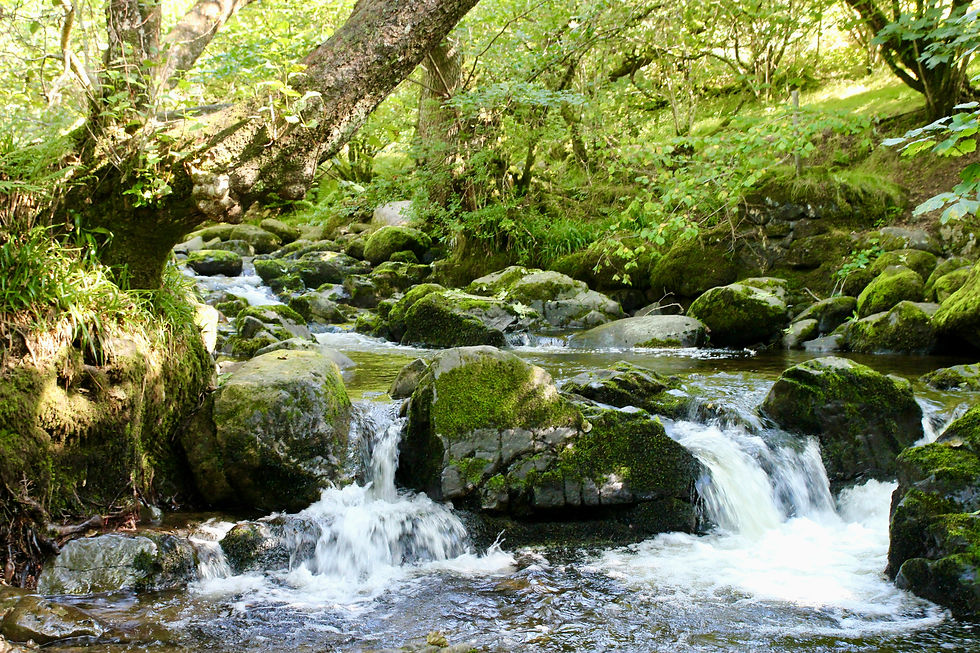
Now we see that the blessed man is like a tree that is chosen and purposefully planted on the banks of a stream. There it can be fed continually all that it needs to flourish. What a powerful picture God gives of a life rooted in Him, dependent upon Him—drinking up the living water of God’s Word—and bearing fruit that glorifies Him. The Master Gardener tends to this tree and keeps it beautiful, providing all it needs.
The blessed man has the wisdom of God’s Word coursing through his spiritual roots, up to the branches and leaves, bearing fruit in season: patience and perseverance in suffering, faithfulness in trials, joy in the midst of persecution. The blessed person prospers in whatever he does because he belongs to God and is known by God.
Do you wonder what kind of prosperity is referred to in this passage? How sad it would be if it were mere earthly wealth and economic status. Charles Spurgeon says, “God’s prosperity must be viewed through the eye of faith.” Psalm 1 is not referring to material, temporal gain, but prosperity that never ends.
The Chaff
The wicked are not like the righteous. Instead of a deep-rooted, fruit-bearing tree, the wicked resemble chaff. After grain is harvested, the winnowing begins. Newly harvested grain is tossed into the air and because the chaff–consisting of hulls and pieces of straw–is lighter than the grain, the wind picks it up and blows it away. The heavier grain is separated from the chaff when it falls back to earth. This grain is the precious fruit of the harvest.
The tree planted by streams of water flourishes and never dies, but the dry, worthless chaff is carried away on the wind. So, too, the righteous will abide forever, but the wicked will perish (Psalm 1:6).
True Prosperity
God is generous. There is none like Him. His supply for our needs is according to His riches in glory in Christ Jesus (Philippians 4:19). He is our true treasure and prosperity. And His life in us–His Word and Spirit working in us what is pleasing to Him–will bear good fruit through us.
Material riches are paltry next to the the riches God pours out on His children, including:
Salvation at the cost of His Son:
"For God so loved the world, that he gave his only Son, that whoever believes in him should not perish but have eternal life. For God did not send his Son into the world to condemn the world, but in order that the world might be saved through him." (John 3:16-17)
"He who did not spare his own Son but gave him up for us all, how will he not also with him graciously give us all things?" (Romans 8:32)
Being known by God:
"But if anyone loves God, he is known by God." (1 Corinthians 8:3)
Receiving every promise of God in Christ Jesus:
"For all the promises of God find their Yes in him." (2 Corinthians 1:20)
The Fatherhood of God:
"See what kind of love the Father has given to us, that we should be called children of God; and so we are." (1 John 3:1)
The Strength of God:
"Whom have I in heaven but you? And there is nothing on earth that I desire besides you. My flesh and my heart may fail, but God is the strength of my heart and my portion forever." (Psalm 73:25-26)
Give thanks to God for His living Word that makes us rich beyond measure.
For Reflection
How often do you drink the living water of God’s Word?
What is most encouraging to you as you think about yourself like a tree planted by streams of water, bearing fruit in season?
Ask the Father to increase your love for Him, and for the Son, as you meditate on God's generous supply of your needs.